Why formal sales education matters for future sales leaders
Introduction
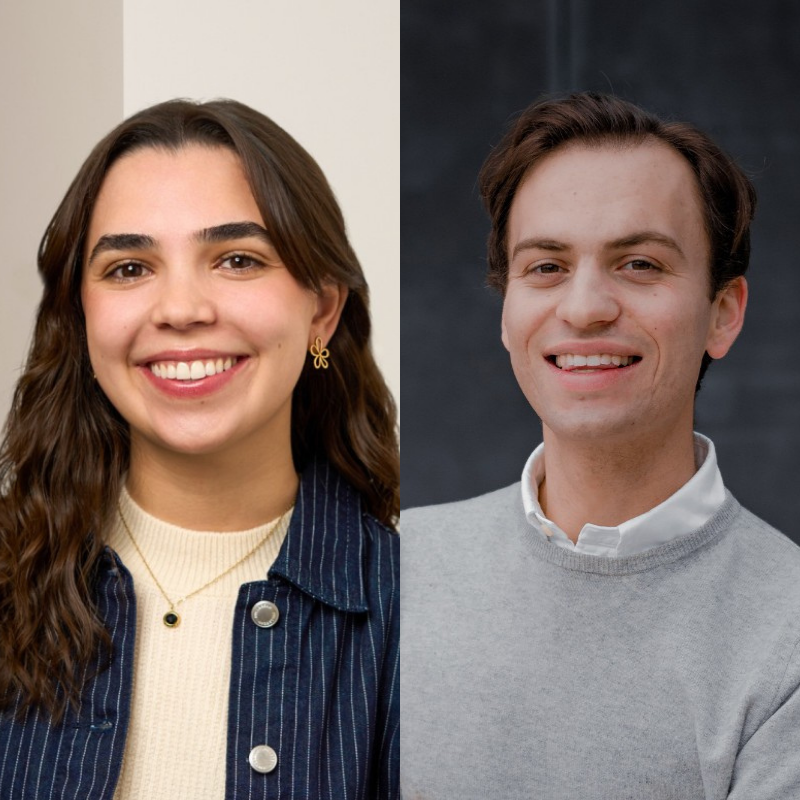
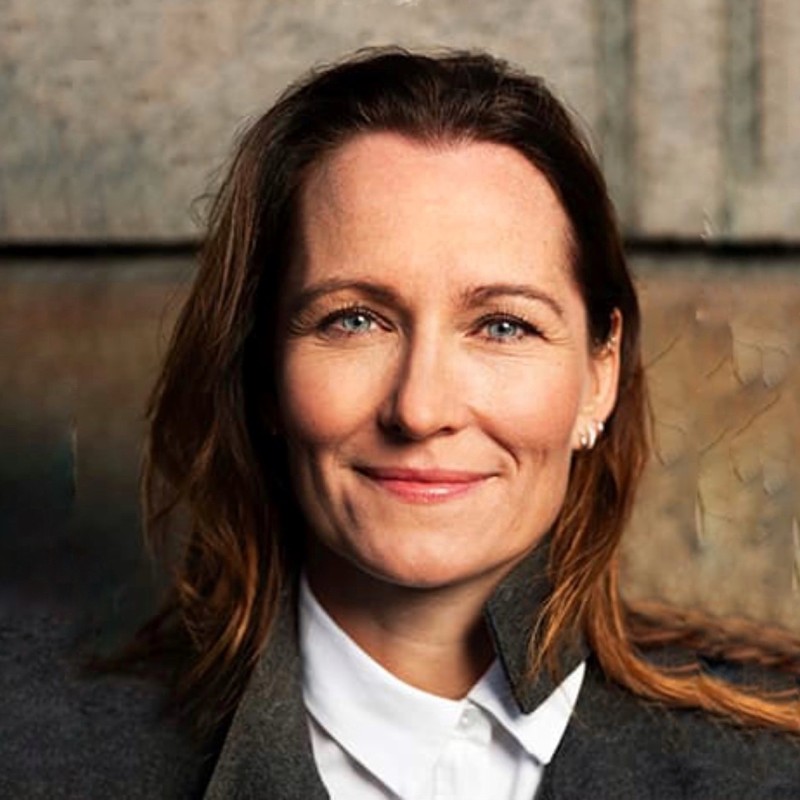
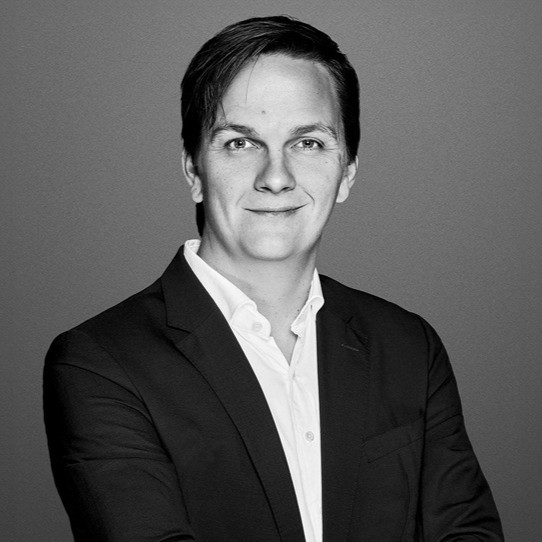
Welcome back to Up Your Sales. In this episode, we explore the value of formal education in preparing future sales leaders. Sales is often seen as something you learn on the job, but how much difference does structured education really make? To help answer that, Selma from CBS is joined by Beatriz, a current Sales Management student, and Marcus, one of our alumni. Together, we reflect on their journeys and the role sales education plays in shaping modern sales careers.
Marcus: what stayed with him from the Sales Management programme
So let me start with you, Marcus. You're a Sam alumnus. Can you briefly introduce yourself and share one memory from the program that really stuck with you
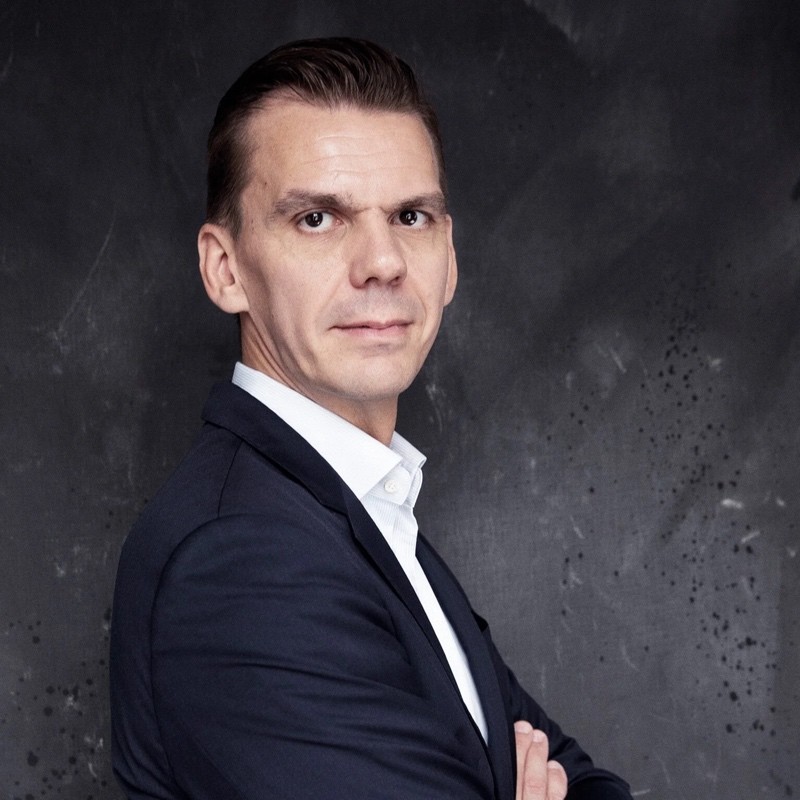
100%? Thank you. Michael. Thanks for having me here. I'm Marcus, currently, I'm working as a shop manager, and tax free Copenhagen, which is a subsidiary of Gebr. Heinemann. This is a German company that is doing business, in the industry, which is called travel retail.
So we are doing every kind of, shop shops, around either airports. We have ferries, we have shops on, cruise liners or at borders. I am, as I said, shop manager. So I'm responsible for 25 people working in the fashion accessories department that also includes, or has included two different, project stores.
Before that, I was in category management, in the same company for two years as a working student during my period as, as a student in sales management. And before that, I was, in Hamburg and the headquarters of that company and loyalty marketing. Yes. So one on memory or something that stuck to me and, from sales management was certainly the people I, I was I had the opportunity to get in touch with and, I still have a lot of contact, to former student colleagues.
There were, during that period, really inspiring to me, since you have a bunch of people that are, having the same passion, which is sales, going and finding, finding that program and, you realize how diverse the world of sales in the end, is by meeting those people. And, by the way, finding also a bunch of great new friends.
Beatriz: expectations versus the reality of the programme
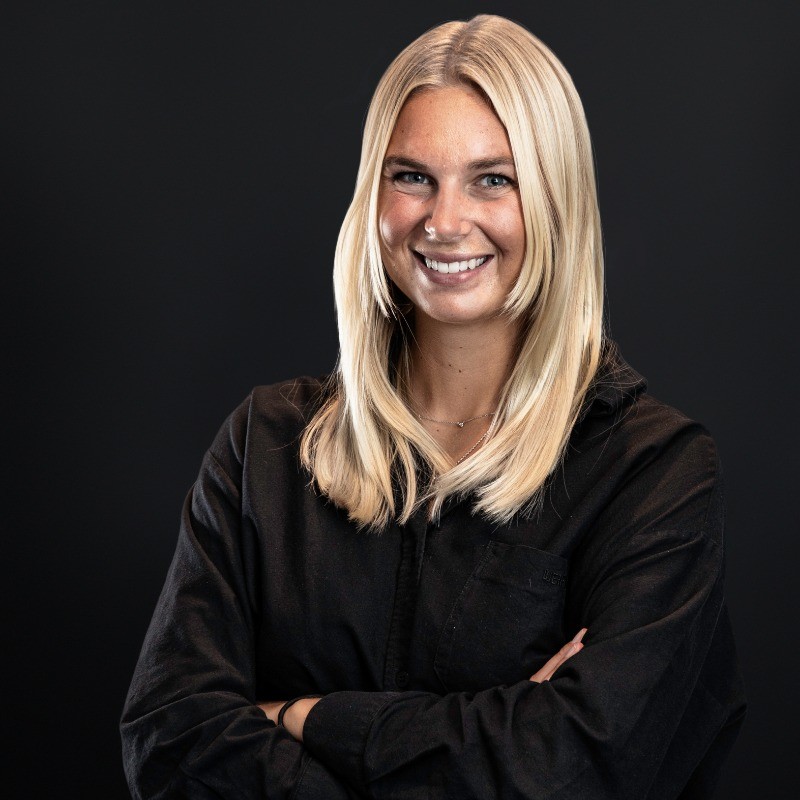
Wonderful, wonderful. So. So, Beatrice, also welcome here. You're still in the program. So what expectations did you have going in? And what has surprised you thus far? So thank you, Professor Selma, for for having me here as well. So, yeah, when I was looking into a master's program, I wanted something that was a bit more, dynamic and, broad than the traditional international business or marketing, masters and, I found this, this program, which not a lot of universities avid, sales management.
And I was, I wanted to, to go into the program because I wanted to learn about sales, a bit about marketing. But what I found out by by already having had my my first year in the program, it was that it's much more broad than that. So you have different types of courses, from performance management to more analytical, to profitability to professional selling platforms.
Innovation. You have you cover different type of aspects, which is very nice because you do have, a set of tools that you gain from the program and frameworks, but you also have a more practical approach to be able to implemented. And I guess another great thing about it is that I work as a student assistant, and I can really feel that I can translate some of the learnings into, into my, my actual job, which is, I think in the end, the very nice, thing about the program as well.
Why formal sales education matters
Okay. Great to hear. Right. So, let me let me go to you, Selma. Can you, from your academic perspective, explain why formal sales education is important and what role do you personally play in shaping that? Our colleague really, Verlander, really helped us there because, he did a huge longitudinal study. And in that study, he really proved that there is a huge difference between, salespeople with, previous experience and those who are having, formal sales education.
So what he did, he compared their performance. And then he realized, and he demonstrated empirically that on the very beginning, those who are more experienced will overperform those who are less experienced, but with formal sales education. However, over time, their performance will more or less remain the same. But when he focused on on those who are having formal sales education, he is demonstrating that they, or they are overperforming those experience one quarter by quarter.
So meaning that in the long run, sales education really pays off for companies and for, our students who, who are studying and who are going to be, sales professionals, in their future careers. So that's one part of the answer, on, on your question. And then another part is really, that in this program, we try to bring professionals as much as possible.
Bringing companies and practitioners into the classroom
We are very much aware that it's not possible for us to teach sales without sales experience. And I was being in sales from, from when I was 16 years old. But that's not enough. Although I try to keep my foot in business, as much as possible. Again, it's not enough. So what we are doing, we are bringing, companies, as much as possible to do guest lectures, to do projects with our students, to facilitate workshops and so on.
And I would like to, to give you a few, examples. So for example, Salesforce for last three years, every year they bring more than ten facilitators who are helping our students with the workshops which are being done in a Salesforce cloud to understand, the environment and to do some first steps in a cloud. Radiant, on the other hand, is here for many, many years.
So we've been collaborating on different projects starting from guest lectures, company visits, first employer from first positions, for many of our students are positions in radiant. Another company or PDL. Is again company which is often employing our students. But also we collaborated greatly in terms of, writing, a master's thesis in collaboration, doing guest lecturers, and so on.
So, what we really try to do in a program is to bring this practical knowledge, but then again, to provide students, with frameworks, tools, and knowledge, skills, abilities needed to analyze environment, which is going to be very dynamic, in their future careers. Yeah. Thank you very much. Marcus, can you explain a little bit about how the program prepares you for your first job after the program?
How the programme prepares graduates for real sales work
Yes. So, my first job, as I said, being a shop manager and, and duty free environment all like, like in, in this, in this dynamic airport environment. What I've, what I've gotten there since it can be pretty stressful is that it's very, very important. It comes in handy to have a good, knowledge or academic background and sales, you know, certainly a lot about frameworks, you know, a lot of methods that you can just apply whenever you have, real stressful situation that you can rely on, that there's something that you have where you can hold on.
Right. And I think that is, that is to me what help me in those specific since and sale to you in the real world on sales you have not a business case as you have in school that it's an imperfect environment or something. But every situation is different and every kind of case or any deal closer you have, is different.
So it's it's great to have something that you can rely on when, when you are in those kind of very stressful situations. Okay. Can you give an example of that? So, so where you relied on a certain framework or so basically what, what I, what I can say is, as a shop manager, when, when, when I have, when I take a decision in the end, for example, around how we are, taking and taking communication, as a tool, how we are taking how we are taking, a new, a new method in, in replenishment.
I don't, I don't, I don't, I don't have necessarily a specific framework that I had and one single lecture on top of my mind. But what, what, what it helps you with and knowing around those frameworks, worked with, with those is that you can either develop your own one like that you have a method on your own that you are using, and that you are testing, that you are critically analyzing and, questioning or that you, that you have something that you can compare different scenarios with.
Right? And that's, that's, that's one way, of what I chose or what I'm doing then at work, to see how I can, enhance the performance there. Yeah. Very interesting. So it's more about the skills and the competencies and able to deal with the different situations at hand than necessarily having like, tools at hand that help you in the job.
Frameworks as a repertoire for unpredictable situations
Definitely. Definitely. That's that's true. As I said, we have, an average 35,000 potential customers running through our store each and every day when you can do your, mind math yourself, what that means. And 365 days since we have every day in the in the year open. So there there are a bunch of different, scenarios and cases that are coming, along the corner, where is standard framework or some, some frameworks.
I'm not matching on. So it's, it's also kind of you have something in your repertoire that helps you, that helps you, within your free style then. Right? Very nice, very interesting. And is there something then that the program. Is not really covering so that you really had to learn on the job? Yes, I would say that's, mostly the human component.
What still has to be learned on the job: the human component
Right. So, huge part of what I'm doing is managing a certainly, those 25 people and, everywhere in sales. And that is also what I heard, at least from, from my friends who are working, for example, it's account executive. Every time, two individuals are, interacting with another, that's that highly individual situation. Also, and that you only learn while practicing, that's the same as, studying for, for any exam, like the more often you practice certain situations, the more confident you get in those.
And that's not only, on this on this, on our shop floor or within, some sales pitches. That's the same for one to ones with employees, the same with, performance, meetings. You get the, the feeling of what is necessary or what questions shall we show? We ask, for example. More and more while, training this in a real world scenario.
What Beatriz has already gained from the programme
Yeah, yeah. Very interesting. So let me go to you, Beatrice. So you are now a second year student on the sales management program, and you have covered the first year, but do you feel that there is something that you have gained from this first year already, that other students or people that you know, don't have, gained or did not pick up?
I think, the tick upon what both Professor Selma said and also Marcus, the fact that you, you also learn a lot of things about, sales and, and like the real work scenario by, by doing it and trying it. But once you have a more like, economical foundation with, some studies that like, have researched multiple companies and, that can give you what the best practice would look like, and also like some frameworks to draw on.
It's I think it's much more, valuable. And you have a lot more insights on how to approach a specific problem, although they might not be like the business case that we looked in class, it does give you, some frameworks and some tools to, to strategically and critically assess that. And I think drawing from my experience in my job, I've definitely gained a lot of, valuable, like tools to, to better, perform at my job, so to say, both with, like, the customer journey.
Okay. Which are the touch points? How can we better improve that? What? I'm the frameworks that can be used for that, or even, like, to classify a lead, which I don't know. Sometimes we want to pursue them all, but it's just not feasible and it's not smart to do so. So by drawing upon like, okay, which type of, selling should I use?
Like, is it consultative or relationship and so on, things that I personally haven't thought about before, actually learning them, in class really help you, look at it in a different way. And I think also the fact that the program, as I said, cover covers a lot of different areas from performance management, which I haven't used really yet.
Do more like analytical and more even like a profitability analysis. Like, how do you actually quantify this? The impact of what this marketing campaign as ad I think it's it's quite, interesting because you get this holistic and broad view, of different tasks at a job, I guess. Yeah, yeah. And so in that sense, it's, it's providing you with a language.
Right. So you can communicate with people in the field. It provides you with structures, frameworks, things to position, whatever you observe and see what you encounter. But also it provides you with the skills to deal with that and in many different ways. Right. Also what was mentioned by you, Marcus. So let me let me then go to you.
Alumni careers, community, and the value of a network
So Selma. So so you have stayed connected with alumni over the years? I know that, right. You are good in networking and connecting with them. what what stands out from your perspective with regards to their careers? And are there any surprises? I would say that the level of the program, we all do our best to, to stay connected with, with our alumni, because at the end of the day, that's part of our job.
And, what I really appreciate, are two things. The first one is diversity of roles, and the second one is definitely community that we succeed in, in creating. So let me let me go back, to maybe just elaborate. The diversity of roles, our graduates are taking roles in marketing and sales and finances. Also, some of them are working in different start startups.
Some of them are starting their own startups. Some of them are working in it and so on. Which is very good proof that sales is really everywhere. And I'm so proud when I see, my LinkedIn, wall, in July, June, July when our students are graduating and then after they, do their oral exam and once that when they defend their master's thesis, it's really visible how they are announcing their promotion on a job where they already been.
Well, in within the companies where they already been. So what's happening in the background is that most of our students are having student jobs, where they're working in certain companies. And then after, their, graduation, they are taking over more senior roles in those companies, which is kind of a good signal that we are doing a decent job, together with companies and business communities, because I would say that we are educating future professionals together, because if they have a student job, then we kind of add on on that with tools and frameworks and theories and so on.
That's one part of the answer. And then another part of the answer is, community. That we I would, I would love to say succeed in creating or at least we are trying to create. So just recently I posted on LinkedIn and I asked, network of our former students, to invest or to donate one hour of their time to do interviews with our present cohort of some students.
And I was, so happy to see that, we had 40 interviews that were done. So meaning that 40 people donated one hour of their time to do free career counseling with our present students. So if you just think about the market value of these hours, which are invested into free career counseling, it's amazing. Do I have to tell you that some interviews were done on Saturdays and Sundays, from different parts of the world, not only from Denmark, which is kind of proof that we do have community.
And then at the same time, we are not naive. So we do not have wishful thinking that once when our students are graduating, all their future business career is going to be bright and happy and shiny and so on. We are very much aware that sales is a tough profession and it's tough job. It's very competitive, not always easy, but I think that we do a little steps by creating community, where students are coming back, talk to our presence while, former students are coming back to talk with our present students, doing guest lectures.
Bringing case studies, offering some employment opportunities for present students. And, I think that all these signals are signaling that decision that CBS has. Sales management program was a very good decision for for the Danish business community, but then also international business community. Yeah, because we are running this program since 2018. Right. So we have more than 400 alumni already.
Advice for new Sales Management students
So that's an increasing group of people who are very engaged, as I understand from you. So very nice to hear that. So, so let's let's have some reflections to round off this, this podcast. So Beatrice, could you give one piece of advice to new students starting in a sales management program. And yeah, what would what would I be.
I would say, to take try to take as much advantage, from the guest lectures and also from lectures, from the, from the different courses that we had, as I could because, in the end, I think it's very inspiring to talk with people that are actually, now, graduated from the program and also others that didn't, but that, have work experience.
And they can tell us more about what's actually, being like, being on the job for so many years and what their learnings were and how what they wish they have done differently. So to really get this networking is, as Professor Salma said, but it's also to get all of this insights, from them. And it's also, I think it's very nice that all of the courses have a very practical approach towards it as well.
So, so try to take as much advantage of it as well. And, and to stay curious. I would say because you can get a lot from it, from both the practical terms, but also from, from the network and community of people that are there to, to help us and, to, to inspire us and to be more successful at, and I think that's great advice.
What the programme should change: the role of AI
So thanks a lot. So, so Marcus, what would you change? Because no program is perfect, right? So what would you change? Let's just log off. Just. Okay. So. Well, when I started in 22, and that is now three years ago, actually. Time's flying. Two months afterwards, ChatGPT. And I popped out of nowhere, and suddenly, a couple of months later, that was, and not only in everybody's mouth, but everybody was using it.
And three years later, now, when I look, into not only my company, but also different other companies, and that is the topic, that is relevant also for sales. And you can look at, most, most service that, that are coming from top, strategy consultancies. For me, I'm working retail. That is one of the estimated most relevant, industries where I can create the most value.
So what I would do from with this, with this kind of knowledge now, would be a focus, on that topic and to, to, to also to also just get people into the, how can you, how can you sign up into the, flow of, getting critically, getting critically knowhow and, yeah, knowhow around AI and not not necessarily like, in an operational way, but that they just get in touch with that because that is going to be most likely the, topic that is, interesting in every business for the next couple of years.
Yeah. I completely agree that the AI is very impactful. It's it's pretty overwhelming, I would say, in many instances. And we do know indeed from these, reports from, for instance, Gartner, and then other consulting agencies that areas like marketing and sales are the one are those areas that are most impacted by AI, right.
Because there is so much data that is collected about customers or customer behavior. And, but also internally that I can really make a difference, a huge difference. And, and we are and I mean, the opportunities are huge because we are still at the beginning. Right? So and I mean, that's basically perfect. That's a huge opportunity. Yeah. Well, that brings me to you, Salma.
How AI is changing formal sales education
As a final reflection, how are you dealing with with these challenges of AI completely disrupting the landscape? But also, keeping up with with all these changes in formal education. Yeah, it is disrupted education as well. That means in practical terms that, you know, every year I develop a new course description and then I think like, that's it.
You know, that's good. The next year I change it completely because I realize that some of the things are just outdated, and I have to make some adjustments. But now, in, in more general terms, CBS already recognized, importance of AI in, in business. And AI is becoming our main strategic priority, or at least one of strategic priority.
So we are developing, programs which are going to be based on AI in business. That's on the level of the CBS. At the level of the program, we try to integrate AI in as many courses as possible. And now specifically in my my course, what I try to do, I try to, embrace the idea that at the moment we have enough of knowledge to stop putting everything into a single box of AI, meaning that, students should be aware of different, different technologies, or if you want different algorithms.
So to be able to differentiate machine learning from recommender systems, large language models and NLP, deep learning, whatever, and to be able to critically analyze what are our benefits and what are disadvantages of these different technologies. Because, for example, you can have the best machine learning algorithm, but if your data is not clean enough and if it is not sorted in a proper way, the output would, would be, very questionable.
Balancing AI literacy with critical thinking and human judgment
So I think it's really important from one side to expose students to good AI tools, but also to develop critical thinking of how these tools are developed, not in a way that students of sales management should be able to code, but rather just to understand input, process output, behind, AI. And finally, always being a little bit careful that AI is still not going to run the world, and that we really need human perspective.
So kind of balancing between technology and human side is something that I believe, should be always idea, in terms of how programs should be redesigned and how to think about our courses, in future. Well, I, I'm happy to hear that. At least we can end on a positive note with regards to that, that I will not replace us and make education irrelevant in the next couple of years.
Closing reflections
No? Okay, but I'm even more positive than that. But, let me thank you. So big thanks to you, Selma Berry. Theresa Marcus, for sharing such honest and thoughtful reflections. What I think is really what stands out is that skills education is much more than just learning the techniques. And it's more about being adaptive, having confidence, and having a mindset for this lifelong learning.
We hope that today's conversation inspires both current and future students to see education as a powerful part of their sales journey. Thank you for tuning in to Up Your Sales, and we'll see you next time.




.png)




















.jpg)